Data videos
Austria, recalculated
Short films about Vienna and Austria, calculated from open data, old maps and archives. With every film you find all its sources. The films are in German.
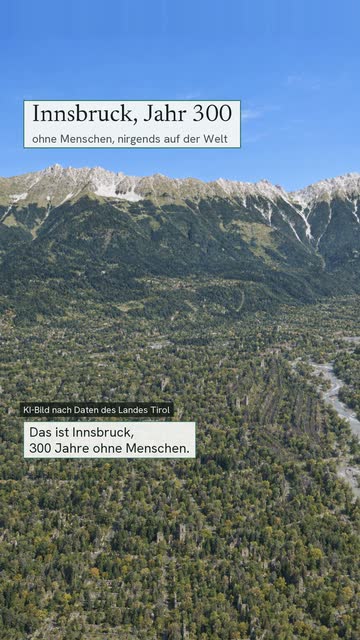 1:08Innsbruck without peopleWhat would be left of Innsbruck after 300 years without people? The lights go out, trees grow into the city, and in a great flood water stands in front of the Goldenes Dachl.
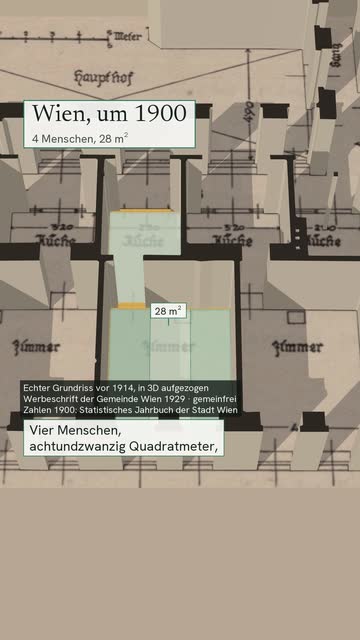 1:10Vienna’s old tenement houses, around 1900How did a Viennese family live around 1900? Four people in 28 m², the toilet in the corridor, the shared tap and bed lodgers.
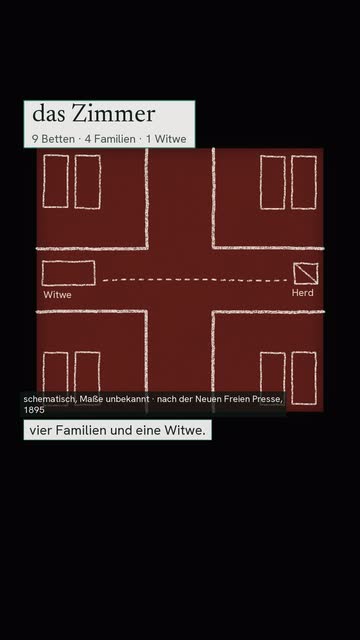 1:24Wienerberg: one corner per familyHow did the brickworkers on the Wienerberg live? Four families and a widow in one room, and the border was a chalk line.
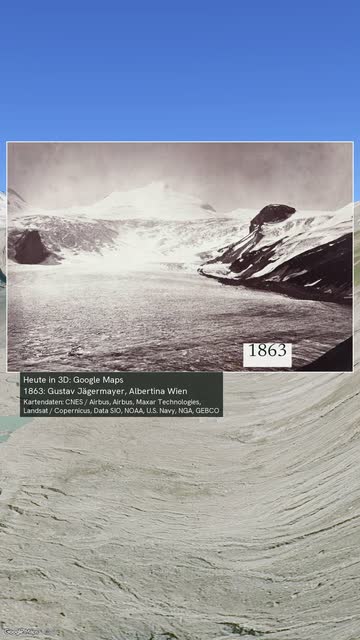 1:00Were the glaciers ever smaller before?Were the glaciers ever smaller before? Yes, but back then it was mainly down to Earth’s orbit.
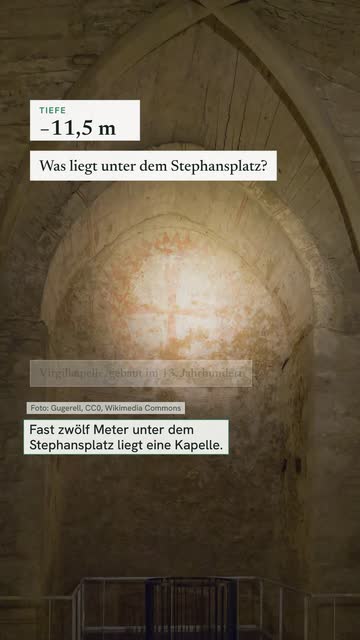 2:16Beneath Vienna: as deep as it goesWhat lies beneath Stephansplatz? A chapel, a sewer, the U-Bahn, clay, an ancient sea floor and a borehole 4,180 m deep.
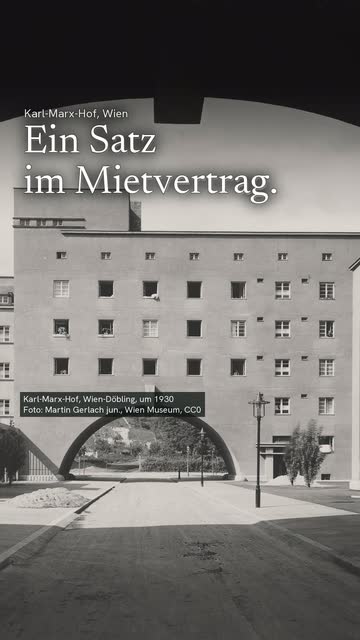 1:13Municipal housing 1938: one sentence in the tenancy agreementHow the Nazi city administration drove tenants persecuted as Jews out of Vienna’s municipal housing in 1938, told through the Mezei family in the Karl-Marx-Hof.
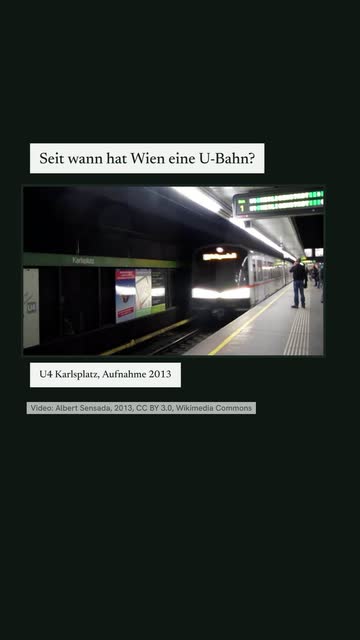 2:02Since when has Vienna had a U-Bahn?Since when has Vienna had a U-Bahn? There are four correct answers: 1898, 1925, 1976 and 1978.
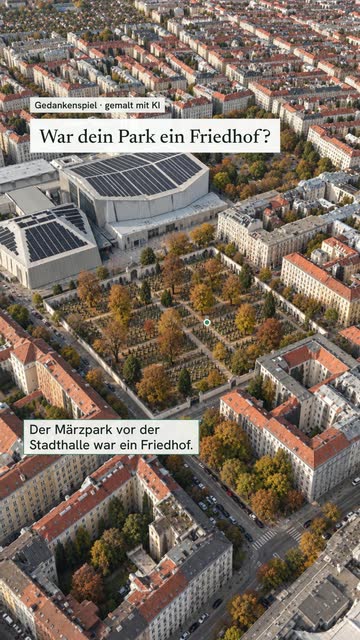 0:51Your park was a cemeteryMany of Vienna’s parks were once cemeteries. Which ones, and are the dead still beneath them?
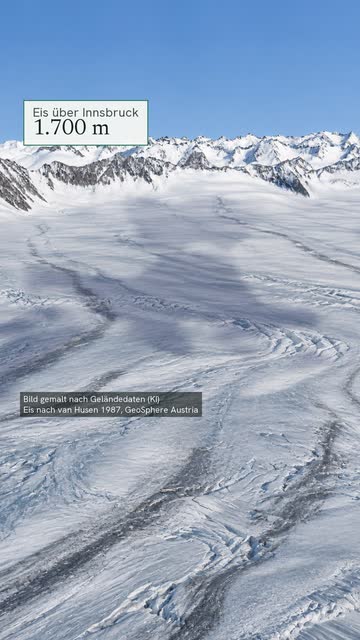 0:56Austria under iceHow much of Austria lay under ice in the last ice age, and how thick was it above its towns and valleys?
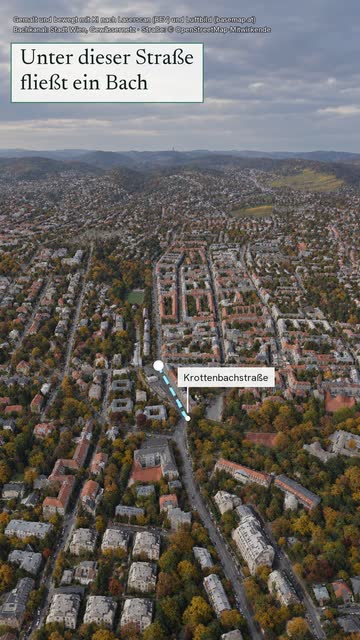 1:09The vanished streamsA stream flows beneath Krottenbachstraße. Where does it go, and what became of Vienna’s other streams?
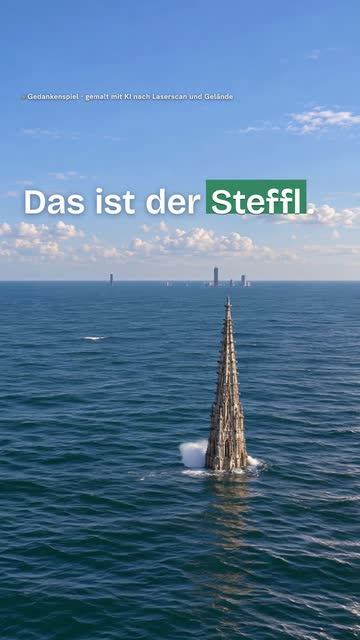 1:08Vienna by the seaHow high would the sea have to rise for Vienna to get a beach? A thought experiment with the city’s terrain, and where the coast really lay millions of years ago.
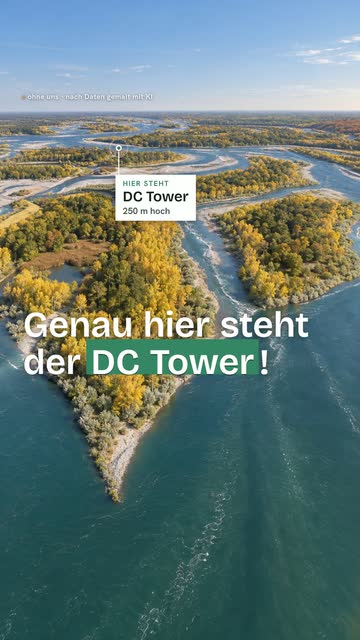 1:08Vienna without housesWhat would Vienna look like if nobody had ever built here? The view from the Leopoldsberg, painted from the terrain, the waters around 1825 and the vegetation that would grow here on its own.